
Northamptonshire & surrounding areas
8am – 6pm +447581480692
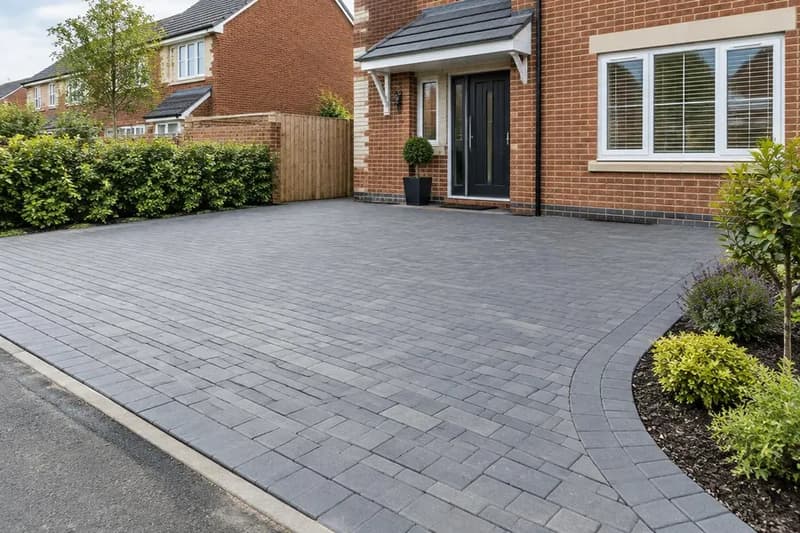
Illustrative image of ground at the front of a home
SUPERIOR BUILD & LANDSCAPE

Soakaway Installation in Northampton

Soakaways sized and positioned to take roof and surface water back into the ground.

Public liability insured 10-year guarantee 11 years trading Locally based in Northamptonshire
Illustrative image of ground at the front of a home
MADE FOR YOUR HOME

Soakaways, done properly.

A soakaway is a hole in the ground, filled with rubble or plastic crates and wrapped in membrane, that collects rainwater and lets it seep slowly into the surrounding soil. It is the usual way to deal with roof water, patio run-off or driveway water where there is no surface water sewer, or where new hard surfaces need somewhere to drain. Superior Build & Landscape plans and builds soakaways as part of extension, driveway and landscaping work across Northampton and nearby towns.

A soakaway is an underground pit or crate system that lets rainwater from roofs and hard surfaces soak slowly into the surrounding soil.

  • Percolation testing to check the ground
  • Sited away from buildings and boundaries
  • Crates or rubble-filled pits with silt traps
Get Your Quote

What is soakaway drainage?

Soakaway drainage means sending clean rainwater into the ground on your own land rather than into a sewer. Pipes carry water from downpipes, channels or gullies into the soakaway, which stores it for a while and lets it drain away through the sides and base. It is only for rainwater. Foul water from toilets, sinks and washing machines must never go into a soakaway.

Do you need a soakaway?

You may need one when you add an extension or garage roof, lay a new driveway or patio that is not permeable, or where existing downpipes discharge onto the ground and cause wet patches. Many councils and water companies prefer rainwater to go into the ground where the soil allows, rather than into the sewer.

Percolation testing

Not every soil drains well. Before sizing a soakaway, a test pit is dug, filled with water and timed as it drains. Clay, which is common in Northamptonshire, drains slowly and may need a much larger soakaway or a different approach. Sandy or gravelly ground drains faster. The results set the size and depth of the soakaway.

What building regulations say about soakaways

In England, Approved Document H of the Building Regulations covers rainwater drainage. Its guidance says soakaways should generally be at least five metres from a building or road, should not be placed where water could soften foundations or flow onto a neighbour's land, and should be sized from a percolation test. Where a soakaway is part of an extension or new building, building control will check it. These are the general rules, and your building control officer confirms what applies.

Signs of a blocked soakaway

Soakaways can silt up over time, particularly old rubble-filled pits without a silt trap. Warning signs include gutters or gullies overflowing in heavy rain, water pooling over the soakaway, slow draining downpipes and damp patches near the house. A blocked soakaway drain may simply need the pipe clearing, but a silted pit usually has to be dug out and rebuilt. Adding a silt trap or access point helps it last longer.

How soakaways fit with other work

Soakaways are often part of wider groundworks, dug at the same time as footings or a driveway base. Falls on patios and paths also need somewhere to send water, which our patio drainage and falls guide explains.

What affects soakaway cost

The price depends on the size needed after testing, how deep it has to go, the type of crates or fill, the length of pipe run, access for digging and how much soil must be removed. A site visit lets George look at the ground and explain the options.

QUESTIONS

Soakaways FAQs

What is soakaway drainage?

A way of returning rainwater to the ground. Water from roofs or hard surfaces is piped into an underground pit or crate system and soaks slowly into the surrounding soil.

Do I need a soakaway?

You may if you are adding a roof or hard surface with no suitable surface water drain, or if downpipes are causing wet patches. Many front garden surfaces need water to drain to a soakaway or permeable area.

What do building regs say about soakaways?

In England, Approved Document H says soakaways should generally be at least five metres from buildings and roads, sized from a percolation test, and placed so water does not affect foundations or neighbouring land.

How do I know if my soakaway is blocked?

Overflowing gutters or gullies in heavy rain, standing water over the soakaway and slow draining pipes are common signs.

Can a soakaway work in clay soil?

Sometimes, but clay drains slowly, so the soakaway may need to be larger. A percolation test shows whether it is practical.

RELATED SERVICES

Other work we take on

Based near Northampton, we work with homeowners in Kettering, Wellingborough, Towcester and surrounding areas within approximately 30 miles.

YOUR NEXT PROJECT STARTS HERE

Let's talk about your soakaways project.

Tell George what you're planning and let's talk through the possibilities for your home.

Call NowGet a Quote