
Northamptonshire & surrounding areas
8am – 6pm +447581480692
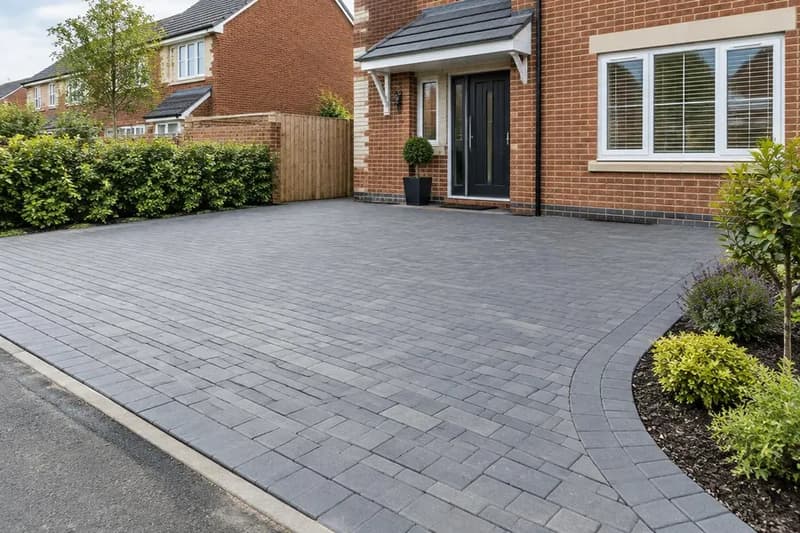
Illustrative image of a prepared driveway area at the front of a home
SUPERIOR BUILD & LANDSCAPE

Groundworks in Northampton

Footings, concrete bases, site clearance, drainage runs and sub-bases dug and laid properly.

Public liability insured 10-year guarantee 11 years trading Locally based in Northamptonshire
Illustrative image of a prepared driveway area at the front of a home
MADE FOR YOUR HOME

Groundworks, done properly.

Groundworks is the term for everything done in and on the ground before a building or hard surface goes up. It includes clearing the site, digging and pouring footings, casting concrete bases, laying drainage runs and building up compacted sub-bases for drives and patios. Superior Build & Landscape carries out groundwork as part of building and landscaping jobs across Northampton, Kettering and nearby towns, so the base under your project is planned by the same people who build on it.

Groundworks are the hidden part of any build. Getting the digging, levels and bases right is what keeps walls, slabs and paving from moving later.

  • Footings for walls and extensions
  • Concrete bases for garages and garden rooms
  • Drainage runs and driveway sub-bases
Get Your Quote

What groundworks include

The work changes with the project, but most jobs involve some mix of the following. Each stage needs checking before the next one covers it up, because faults below ground are expensive to reach later.

  • Site clearance: removing turf, old slabs, roots and rubble
  • Excavation to the depth the ground and the structure need
  • Strip or trench footings for walls and extensions
  • Concrete bases for garages, sheds and garden rooms
  • Drainage runs, inspection chambers and connections
  • Compacted sub-bases for driveways, paths and patios

Footings

Footings spread the weight of a wall into firm ground. Their depth depends on the soil type, nearby trees and what the building control officer is happy with once the trench is open. Clay soils, common across Northamptonshire, shrink and swell with the seasons, so they often need deeper footings than sandy or stony ground. Our extensions page explains how footings fit into a full build.

Concrete bases

A garden room, garage or brick shed needs a base that is level, square and strong enough for its walls. That usually means digging out topsoil, laying and compacting hardcore, adding a membrane and pouring a reinforced slab, sometimes with thickened edges where walls will sit. Getting the slab level matters, because every course of brick or panel above follows it.

Drainage and sub-bases

New buildings and hard surfaces change where water goes. Groundworks often include laying pipes to an existing drain or to a soakaway, with falls and access points set out properly. For drives and patios, the dig and compacted sub-base decide how long the surface stays flat. Our driveways page goes into that build-up.

What affects the cost of groundworks

Groundwork prices vary more than most parts of a job, because nobody can see what is underground until digging starts. The main drivers are the size of the area, how deep the dig must go, how much spoil has to be taken away, access for a digger and skip, the type of soil, and any drains, roots or old foundations found along the way. A site visit lets George look at access and levels and explain what the quote covers.

QUESTIONS

Groundworks FAQs

What is the difference between footings and a concrete base?

Footings are trenches filled with concrete that carry the weight of walls. A concrete base is a slab that covers the whole floor area, often used for garages, sheds and garden rooms.

Why do groundworks prices vary so much?

Because the ground itself varies. Depth, soil type, spoil removal, access and anything found below ground all change the time and materials needed.

Does a garden room need a concrete base?

Not always. Light timber buildings can sit on pads or a frame, but a brick or heavier building usually needs a slab or footings. The right base depends on the building and the ground.

Can you dig footings in a garden with no side access?

Often, yes. Smaller machines or hand digging can be used, and spoil can be moved out in stages, though limited access usually adds time to the job.

RELATED SERVICES

Other work we take on

Based near Northampton, we work with homeowners in Kettering, Wellingborough, Towcester and surrounding areas within approximately 30 miles.

YOUR NEXT PROJECT STARTS HERE

Let's talk about your groundworks project.

Tell George what you're planning and let's talk through the possibilities for your home.

Call NowGet a Quote